
Toronto’s Natural Skincare Blog
Our practitioners have a wealth of knowledge that they want to share with you. All of our blogs are written by members of the Connected Team. Learn about various skin & health conditions, recommended products & treatments, tips & tricks and the science behind it all!

Itchy Skin After Microneedling in Toronto? Here’s What It Means and How to Soothe It
Itchy skin after microneedling? It’s usually a sign your skin is healing well. Discover why itching happens, how long it lasts, and the best aftercare tips to soothe your skin safely.

Understanding Hidradenitis Suppurativa & How Laser Therapy Can Help
Hidradenitis suppurativa is more than a skin condition. It’s the unpredictability of flares shaping what you wear, whether you make plans, how you move through your day. At Connected Health & Skin, we believe treating HS well means treating the whole picture, not just the visible symptoms. Discover how the Aerolase Neo Elite may fit into your care plan.

Why Microneedling is Ideal in the Winter
Winter may feel harsh on your skin, but it’s actually the perfect season for renewal. At Connected Health & Skin, we use this quieter, low-sun period to rebuild your skin from the inside out with Microneedling and Purasomes. As cold air and indoor heating weaken your barrier and dull your complexion, this advanced regenerative treatment helps restore hydration, boost collagen, and strengthen resilience. Think of winter as your skin’s reset season, so when spring arrives, your glow is already in place.

Where to get Microneedling in Toronto
At Connected Health & Skin in Toronto, our microneedling treatments go beyond the ordinary. With customized growth factors, Purasomes, and personalized post-care kits, our expert practitioners help your skin heal, rejuvenate, and glow like never before.

Skincare Ingredients and Hormones: Separating Science from Fear
Concerns about skincare ingredients disrupting hormones have become increasingly common, but they are largely unsupported by scientific evidence. For a substance to meaningfully interfere with hormonal signaling, it must penetrate the skin, enter systemic circulation in sufficient amounts, remain biologically active, and bind hormone receptors at physiologically relevant levels. Cosmetic ingredients simply do not meet these criteria. Even under exaggerated exposure models that assume daily, lifelong use and enhanced absorption, safety assessments consistently show exposure levels far below those capable of affecting endocrine function. Evidence-based skincare is not a threat to hormonal health, and fear driven avoidance often does more harm than good.

Should I be worried about seed oils in my skincare?
Discover why seed oils like sunflower are safe, non-inflammatory, and essential for barrier repair in skincare. Learn the science behind their benefits.

The Hidden Link Between Histamine and Acne
Discover how histamine imbalance and gut health can contribute to acne. Learn how to calm inflammation and restore clear, healthy skin naturally.

SkinVive: The Perfect Skin Health Treatment for Busy Teachers
SkinVive by Juvéderm offers busy teachers a quick, hydrating boost with lasting glow and minimal downtime—perfect for radiant skin that fits any schedule.

Why IV Therapy Is Not the Solution to Your Skin Concerns
Discover the benefits of microneedling with AnteAge Growth Factors for hair restoration. Book your complimentary consultation at Connected Health & Skin today!

The Healing Power of CO2 Lift: A Promising Ally in Topical Steroid Withdrawal
Discover the benefits of microneedling with AnteAge Growth Factors for hair restoration. Book your complimentary consultation at Connected Health & Skin today!
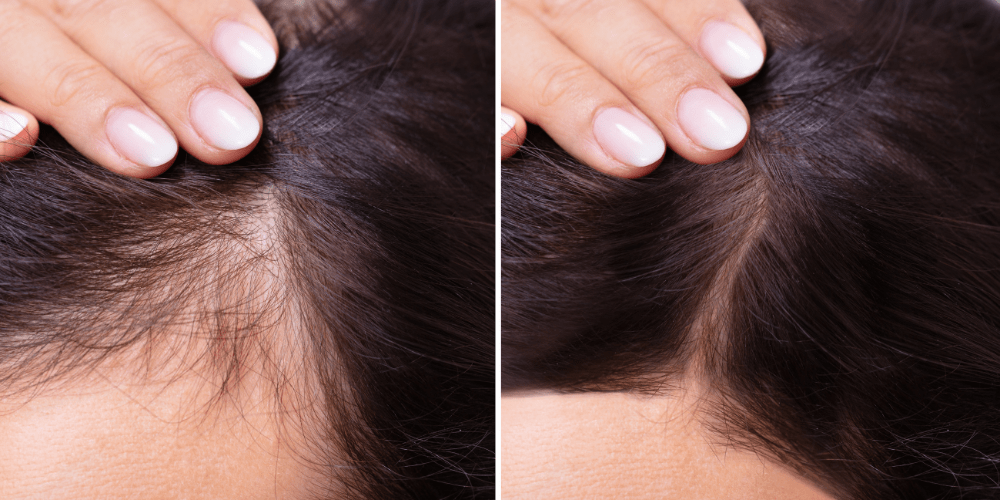
Benefits of Microneedling Hair Restoration with AnteAge Growth Factors
Discover the benefits of microneedling with AnteAge Growth Factors for hair restoration. Book your complimentary consultation at Connected Health & Skin today!

Can I have Seasonal Affective Disorder (SAD) in the summer?
Discover how seasonal affective disorder (SAD) can affect individuals during the warmer months, with around 10% experiencing symptoms in summer. Learn about the signs, factors, and tips for managing summer SAD, including maintaining routines, staying connected, and seeking professional help. Find ways to lift your mood and thrive during the sunny season.